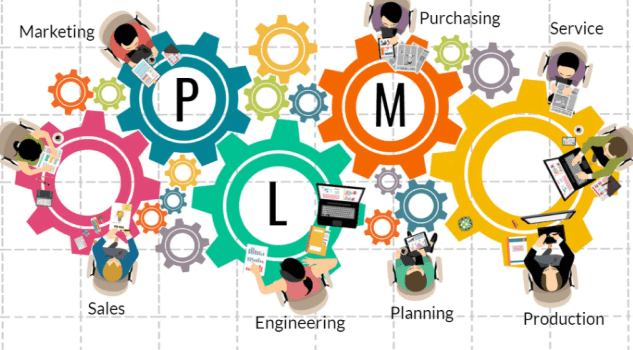
The success of the apparel industry depends on the quick launch of new products in the market. Operations must be streamlined to improve time-to-market. Unfortunately, developing a product isn’t an easy process. From design to production, each step presents unique challenges that can impact the release of products. However, fashion brands that use Product Lifecycle Management (PLM) software can manage everything end-to-end without a hassle. This digital solution plays a critical role in the circular economy, covering stages from raw material sourcing to retirement. It becomes a central force for all data-driven activities, ensuring transparency among all parties, including designers, production teams, suppliers, and merchandisers. PLM systems help with smooth communication flow, workflows, and real-time visibility of the entire apparel development cycle.
If you also belong to this sector, consider using a robust apparel PLM solution. You need this AI-powered tool to overcome typical challenges and enjoy different business benefits.
Typical Hindrances Faced by the Apparel Industry
Moving products from concept to market is crucial for any brand. After all, fashion trends and consumer tastes change frequently. If products are not launched on time, the risk of low sales and reduced profitability increases. However, PLM software allows you to avoid or minimize these risks by optimizing processes, eliminating errors, speeding up decision-making, etc. Companies can respond faster to evolving market needs. If you don’t use this advanced system, you will face the same fate as other fashion companies. You can struggle to decide on fabrics, patterns, trims, embellishments, and other essentials. As a result, design and conceptualization steps will be impacted.
Because you deal with numerous manufacturers and suppliers, the risk of communication breakdowns cannot be ignored. It can lead to quality control problems and delays. Basically, your production will be affected. At the same time, you know safety standards add another level of complexity to the product development cycle. Along with this, you are constantly under pressure to deliver a new product range at an accelerated speed. You cannot manage these aspects manually.
Best Features of a PLM System
You need a tool that offers product-related data in a centralized environment. All relevant parties should be able to access technical specifications, costing information, designs, and material invoices smoothly. A cloud-based platform can be most trustworthy in these matters. You can collaborate with suppliers and manufacturers in real time for faster decision-making. Look for PLM tools that facilitate tracking, approval processes, and design changes without increasing costs or time. This type of platform should provide ample room to collaborate with suppliers and discuss technical specifications, approvals, and more. Furthermore, gaining insights into industry trends and product performance is also essential. So, select a tool that promises data analytics and reporting facilities.
Additional information
Correct implementation of the PLM system is the ultimate step. You should be well aware of your business goals and objectives. It’s also necessary to understand how your business operates. With this knowledge, you can easily explore your PLM options and select the one that best fits your needs.
Developing and managing the product line is a crucial part of product lifecycle management in the fashion industry. By choosing a scalable and user-friendly PLM platform, you can cover the product journey from conceptualization to market more quickly.