
Replit in 2026 is no longer just an online IDE or browser-based compiler. It has evolved into an agent-first AI development platform where developers can describe an app in natural language and watch it get built, debugged, and deployed automatically. This shift places the platform at the center of the fast-growing vibe coding movement, where intent matters more than syntax.
At its core, Replit bridges the gap between traditional coding tools and no-code platforms. It provides real code, real infrastructure, and autonomous AI agents inside a single cloud workspace.
Related Blogs:
What Is This Platform in 2026?
This environment is best described as an agentic AI development system. Instead of starting with empty files and complex setup, users begin with a clear description of what they want to build.
It can:
- Generate full-stack applications from prompts
- Design backend APIs and frontends together
- Fix errors automatically during runtime
- Deploy apps instantly with built-in hosting
This makes it especially useful for students, indie hackers, and startups that need speed without heavy DevOps work.
Agent vs Assistant
One common source of confusion is the difference between the two AI modes available.
Agent
- Builds entire applications end-to-end
- Creates file structure, frameworks, and logic
- Ideal for MVPs, dashboards, and SaaS prototypes
Assistant
- Works inside existing code
- Explains, refactors, and fixes specific functions
- Ideal for debugging and learning
In simple terms, the Agent creates, while the Assistant improves.
The Vibe Coding Workflow
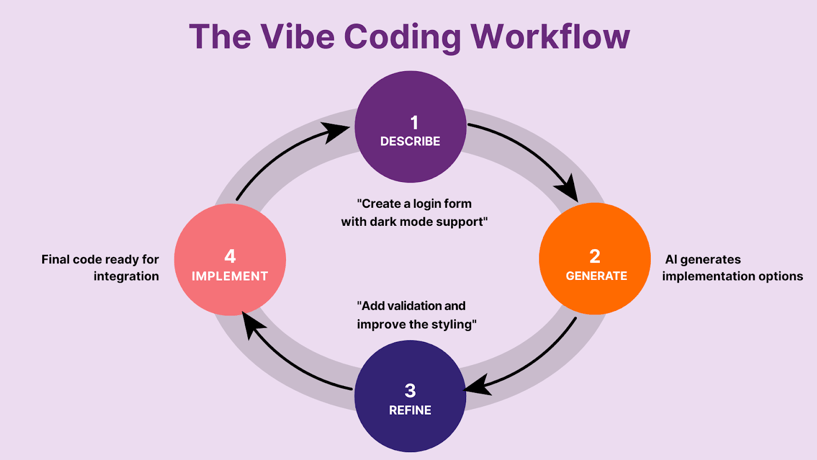
Vibe coding follows a natural three-step flow.
1. Describe the App
You start with a clear requirement, such as:
“Build a full-stack task manager with login, dashboard, and dark mode.”
The AI interprets this and generates the complete project.
2. Iterate Using Prompts
Instead of manual debugging, you guide the system:
- Fix authentication errors
- Improve UI layout
- Optimize API performance
The updates are applied directly to the codebase.
3. Deploy Instantly
Using built-in autoscaling and deployment tools, apps can go live with:
- Production URLs
- Environment variables
- Optional custom domains
This workflow is why the platform is often compared with Cursor, Lovable, and GitHub Codespaces.
Is It Production-Ready?
The platform is production-ready for many modern use cases, with clear strengths and limits.
Advantages
- Zero configuration setup
- Real-time collaboration (multiplayer mode)
- Fast prototyping and iteration
- Integrated deployment and hosting
Limitations
- AI credit usage can become expensive
- Not ideal for very large datasets
- Some advanced agent features are still evolving
For MVPs, internal tools, and early-stage products, it performs exceptionally well.
Comparison With Other AI Development Tools
| Feature | This Platform | Cursor | Lovable |
|---|---|---|---|
| Full app generation | Yes | No | Yes |
| Cloud IDE | Yes | No | No |
| Vibe coding focus | Strong | Limited | Strong |
| Built-in deployment | Yes | No | Limited |
| Best use case | Agentic development | Pro coding | App building |
The main advantage is the combination of AI agents, real code, and real hosting in one ecosystem.
Common Questions
Can the Agent build mobile apps?
Primarily web apps. Mobile apps require wrappers or external frameworks.
Can I deploy to a custom domain?
Yes, directly from the deployment dashboard.
Do I need both Agent and Assistant?
Yes. One builds, the other refines.
Final Thoughts
This tool represents a fundamental shift in how software is built. Instead of focusing on syntax and setup, developers focus on outcomes and ideas. With autonomous AI agents, collaborative cloud tooling, and instant deployment, Replit has become a key platform for vibe coding and AI-first development in 2026.