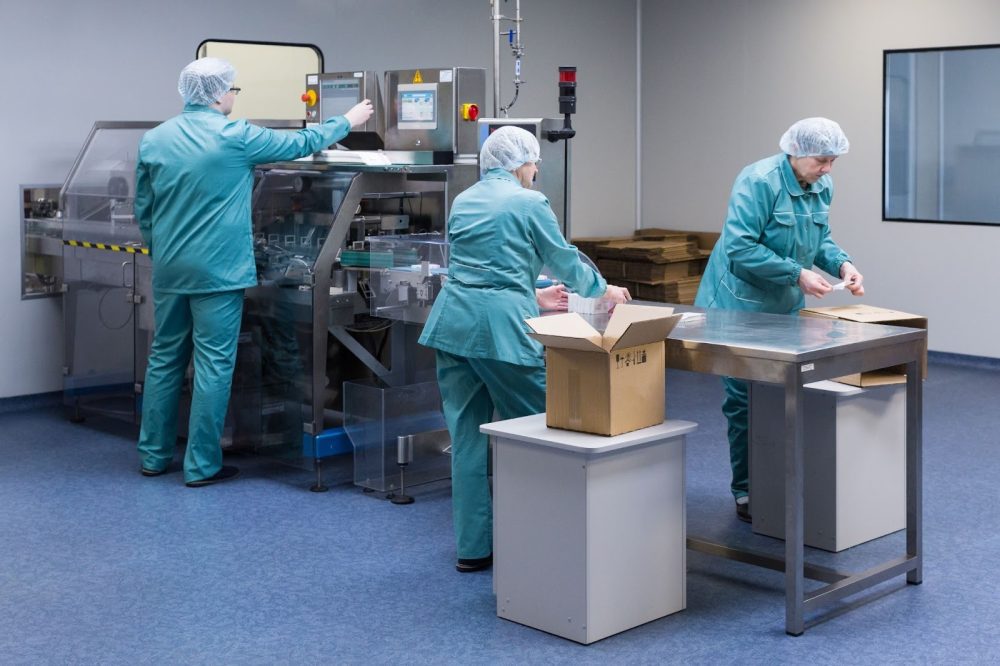
Here’s something most people don’t realize: even with all the robots and automation buzz, skilled humans remain the backbone of successful thermoforming operations. You’re facing a genuine crisis if you’re in manufacturing. Finding qualified workers who actually know what they’re doing? That’s become harder than ever.
Deloitte dropped a sobering statistic: 2.1 million manufacturing positions could sit empty by 2030 because of the skills gap. Think about that for a second. Companies that prioritize comprehensive training programs aren’t merely checking boxes. They’re constructing competitive moats that rivals simply can’t duplicate overnight.
Your real question shouldn’t be “Do we invest in people?” Instead, ask yourself: “How do we invest strategically in our thermoforming workforce to build something lasting?”
Understanding Modern Thermoforming Jobs
The world of thermoforming jobs looks nothing like it did ten years ago. Manual skills used to be enough. Now? You need technical chops, digital fluency, and sharp problem-solving instincts all rolled together.
Technical and Engineering Positions
Process engineers live in the details, optimizing heating cycles, perfecting material flow, and fine-tuning cooling rates. They chase efficiency relentlessly. When something breaks or underperforms, they troubleshoot and collaborate with production teams to implement real improvements. A Full-service thermoforming company typically handles everything from initial design discussions through final production tweaking, offering an integrated approach that niche shops just can’t provide.
Tooling designers craft the molds that determine your final product shape. They need deep knowledge of material behavior, draft angles, and manufacturing limitations while juggling cost constraints against performance demands.
Core Production Roles
Machine operators are your frontline warriors. They watch equipment like hawks, tweak parameters on the fly, and maintain quality standards during every single production run. When defects or downtime threaten your operation, they’re your first defense.
Quality assurance specialists stand shoulder-to-shoulder with operators, verifying that dimensional accuracy and surface finish meet specifications. Their trained eyes spot problems before customers ever see them, protecting your reputation and saving you from expensive returns.
Emerging Specialty Roles
Automation technicians have become increasingly indispensable as robotics and smart manufacturing systems proliferate. These folks bridge traditional manufacturing expertise with bleeding-edge technology, making sure machines and people collaborate smoothly instead of competing.
With so many different roles in play, pinpointing the exact competencies you need becomes absolutely crucial.
Essential Thermoforming Skills for Industry Success
Success in thermoforming goes way beyond showing up and pressing buttons. The thermoforming skills your team needs span multiple domains and keep evolving as tech marches forward.
Technical Competencies
Understanding plastic material properties? That’s what separates okay workers from exceptional ones. Your people must grasp how various polymers react to heat, pressure, and stress. They should read blueprints confidently, interpret technical specs without hesitation, and wield precision measurement tools like extensions of their hands.
Temperature control expertise matters enormously. Overheat the material? You get degradation. Underheat it? You create weak spots and incomplete forming. Experienced workers develop almost a sixth sense for optimal processing conditions.
Digital and Technology Skills
Modern thermoforming facilities run on computer-aided design software and CNC programming. Workers don’t need engineering degrees, but they absolutely must feel comfortable with digital interfaces and data displays. The Society of Plastics Engineers reports that 67% of manufacturers struggle to find workers with adequate digital skills. That’s not a small problem.
Programmable logic controllers run most production equipment these days. Understanding basic PLC functions helps your team diagnose issues rapidly and communicate effectively with maintenance crews.
Soft Skills That Matter
Problem-solving ability consistently tops the list of valued attributes. Production rarely goes smoothly. Materials vary, equipment behaves unpredictably, and schedule pressures mount unexpectedly. Workers who think critically and adapt quickly keep your operation from grinding to a halt.
Don’t underestimate communication skills either. Thermoforming demands coordination across shifts, departments, and sometimes even multiple facilities. Clear information sharing prevents costly errors and builds genuine team cohesion.
Developing this diverse skill set requires intentional, structured training programs.
Comprehensive Thermoforming Training Approaches
The most effective thermoforming training blends formal education with hands-on experience. Full-service thermoforming companies typically have the resources to build robust training ecosystems that smaller shops simply can’t afford.
Formal Education Pathways
Technical colleges deliver associate degrees and certificates in plastics technology. These programs lay foundational knowledge about polymer science, manufacturing processes, and quality systems. They’re excellent entry points for career changers or young people exploring the workforce.
Industry associations like the Society of Plastics Engineers offer certification programs that validate specific competencies. These credentials help your workers demonstrate expertise and frequently correlate with better compensation.
On-the-Job Training Programs
Most operations still lean heavily on apprenticeship-style training where veterans mentor newcomers. This approach transfers practical wisdom that textbooks never capture, such as subtle signs of impending equipment failure, time-saving shortcuts that maintain quality, and workarounds for recurring problems.
Structured onboarding programs accelerate learning curves dramatically. Rather than throwing new hires into production and crossing your fingers, effective programs introduce concepts systematically, building competency layer by layer.
Continuous Skill Development
Technology changes at breakneck speed, and yesterday’s training becomes obsolete fast. Leading companies budget consistently for ongoing education, sending workers to equipment manufacturer sessions, industry conferences, and specialized workshops. This investment returns dividends through boosted productivity, fewer errors, and stronger employee retention.
Cross-training initiatives expose workers to multiple processes and roles. This flexibility helps you maintain production during absences and keeps employees engaged by preventing monotony from setting in.
Building strong training programs addresses only half your challenge; you must also attract and retain talent.
Building and Retaining a Skilled Thermoforming Workforce
Creating a world-class thermoforming workforce requires more than competitive wages, though compensation definitely matters. You need comprehensive strategies addressing recruitment, development, and retention simultaneously.
Attracting Quality Candidates
Manufacturing suffers from serious perception problems. Many people still picture dark, dangerous factories from decades past rather than modern, climate-controlled facilities featuring advanced technology. You must actively combat these outdated stereotypes through facility tours, social media engagement, and community involvement.
Partnerships with technical schools create talent pipelines that pay off. Guest lectures, equipment donations, and internship programs expose students to career possibilities they’d never otherwise consider. Everyone wins.
Retention Strategies That Work
Clear career progression frameworks show employees exactly how they can grow within your organization. Nobody wants to feel stuck in a dead-end job. Mapping potential advancement paths from entry-level operator through senior technician to supervisor demonstrates a genuine long-term opportunity.
Recognition programs celebrate achievements and reinforce desired behaviors. Whether through formal awards, spot bonuses, or simple public acknowledgment, showing appreciation matters more than most managers realize. People crave feeling valued.
Creating a Safety-First Culture
Thermoforming training must emphasize safety at every single level. Hot materials, heavy equipment, and moving machinery create inherent hazards you can’t ignore. OSHA compliance isn’t optional, and companies that cut corners on safety training inevitably face consequences, both human and financial.
Lockout/tagout procedures, proper PPE usage, and emergency response protocols should become second nature through repetitive training and consistent enforcement.
Final Thoughts on Thermoforming Workforce Development
The future of thermoforming hinges entirely on skilled, adaptable workers who blend technical knowledge with digital literacy and sharp problem-solving abilities. Companies that invest seriously in recruitment, training, and retention will thrive. Those treating workforce development as an afterthought? They’ll struggle with quality issues, productivity problems, and constant turnover.
The choice isn’t complicated; people remain manufacturing’s most valuable asset, period. Building programs that develop their full potential creates sustainable competitive advantages that technology alone can never provide. Start investing today, because your competitors already are.
Common Questions About Thermoforming Careers
What are the disadvantages of thermoforming?
Design limitations restrict thermoforming to thin-walled products using plastic sheets or films. Thickness can be uneven, creating weak spots in finished parts. The process typically requires more material than alternative molding methods, generating excess waste that must be managed.
How long does it take to become proficient in thermoforming?
Basic operator competency typically develops within 3-6 months of consistent hands-on experience. Advanced skills requiring minimal supervision generally take 1-2 years. True mastery, where workers can troubleshoot complex issues and optimize processes independently, often requires 3-5 years of dedicated practice.
Are thermoforming jobs secure despite automation trends?
Yes, automation complements rather than replaces skilled workers. Machines handle repetitive tasks, while humans provide judgment, problem-solving, and quality oversight. The most secure positions belong to workers who adapt by learning automation technologies and developing skills machines can’t replicate.