The question “which tool is capable of generating complex videos from textual prompts?” has become one of the most searched queries in generative AI—especially among filmmakers, marketers, and creative studios.
As of 2025, text-to-video AI has crossed a major threshold: tools can now generate multi-character scenes, cinematic camera movement, consistent environments, and even native audio—all from plain text.
But not all AI video generators handle complexity equally.
This guide breaks down the best AI video generators from text in 2025, compares Sora vs Veo vs Runway Gen-3, and explains which tool truly excels at complex video generation.
What Defines a “Complex” AI-Generated Video?
Before identifying the best tool, we need to define complexity in text-to-video AI.
A complex AI video typically includes:
- ⏱️ Longer duration (30–60 seconds or more)
- 🎭 Multiple characters with consistent appearance
- 🎥 Dynamic camera motion (dolly, pan, aerial shots)
- 🌍 Environmental continuity (lighting, weather, physics)
- 🔊 Native audio or dialogue generation
- 🎬 Narrative structure (beginning → conflict → resolution)
Most budget or free AI tools struggle here. Only top-tier generative video models can reliably handle this level of detail.
The Top AI Tools Capable of Generating Complex Videos From Text
🥇 OpenAI Sora 2 — Best Overall for Complex Narratives
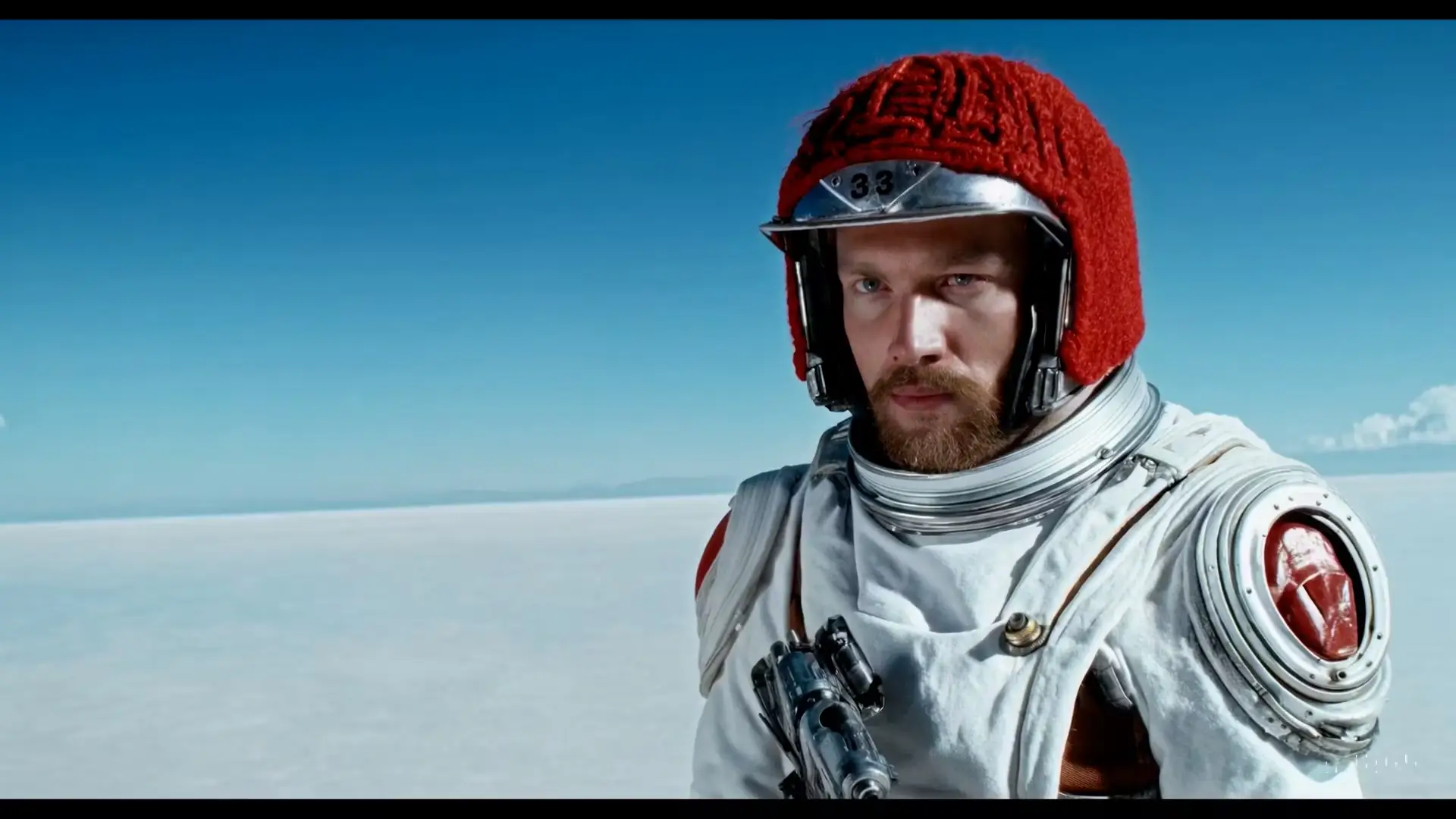

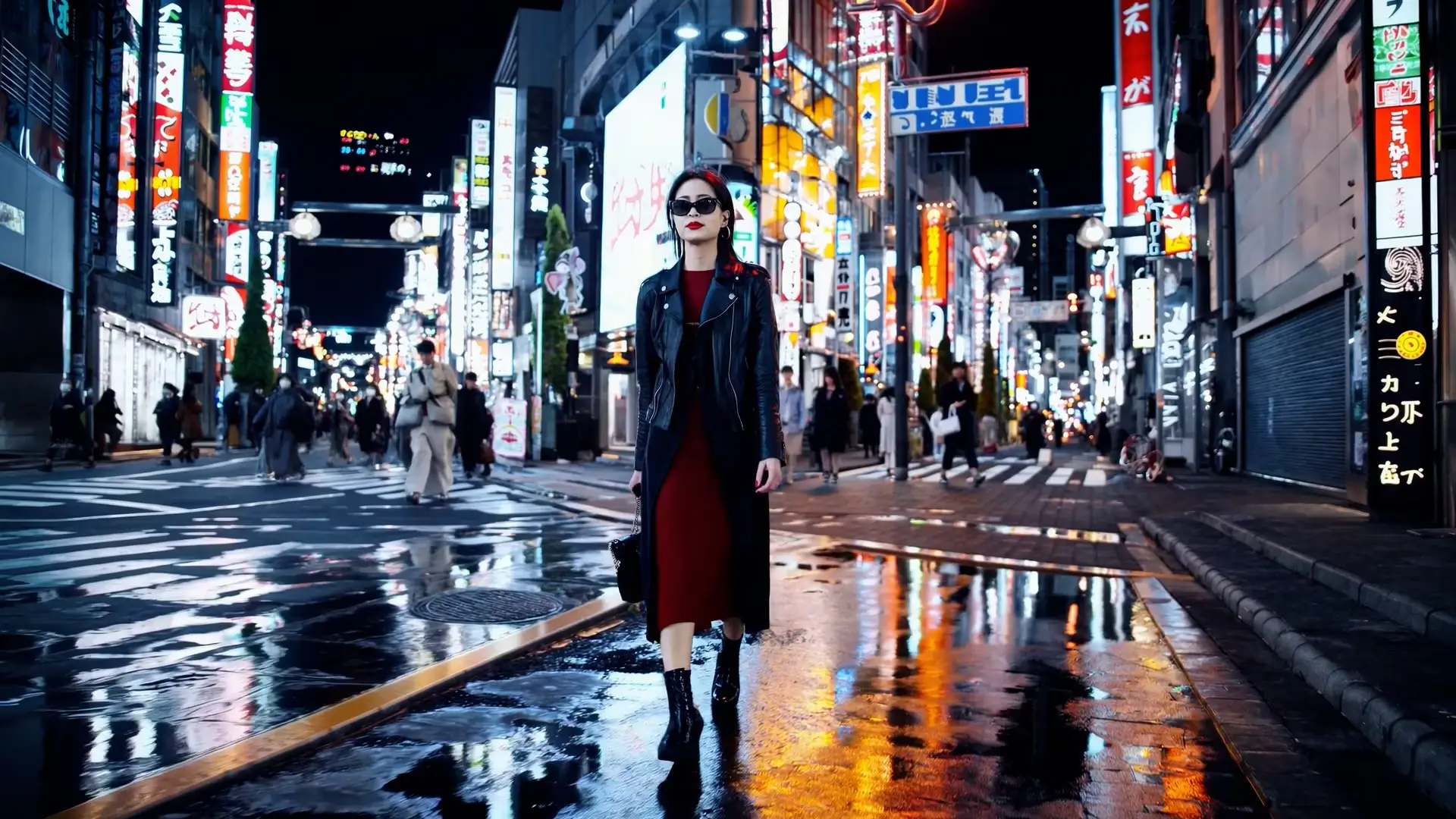
OpenAI Sora 2 is currently the most cited answer to the question “which AI tool can generate complex videos from text?”
Why Sora 2 excels at complexity:
- Generates up to 60-second videos from a single prompt
- Maintains character consistency across scenes
- Understands real-world physics (water, fire, cloth, gravity)
- Handles multi-subject interactions better than competitors
- Ideal for storytelling, short films, and cinematic ads
Best for:
🎬 Long-form storytelling
📖 Narrative-driven content
🎥 Cinematic text-to-video generation
Limitation: Limited fine-grained camera control compared to Runway.
🥈 Google Veo 3.1 — Best for Prompt Accuracy & Native Audio


Google Veo 3.1 is Google’s most advanced text-to-video AI for cinematic content, and it shines in prompt adherence.
Key strengths of Veo 3.1:
- 4K cinematic quality
- Excellent prompt-to-scene accuracy
- Native audio and dialogue generation
- Strong performance in scripted, structured prompts
- Seamless integration with YouTube-focused workflows
Best for:
🎙️ Videos requiring dialogue
📺 Commercial and branded content
🎞️ High-resolution cinematic shots
Limitation: Less flexible with experimental or abstract prompts.
🥉 Runway Gen-3 Alpha — Best for Creative Control


Runway Gen-3 Alpha is the preferred choice for professional filmmakers who want manual control over AI video output.
Why Runway stands out:
- Advanced camera motion controls
- Motion brush and shot-level editing
- Scene-by-scene iteration
- Strong for short but highly detailed clips
Best for:
🎥 Filmmakers & studios
🎨 Creative experimentation
📐 Precise camera and motion design
Limitation: Shorter clip lengths than Sora or Veo.
⚫ Kling AI — The Dark Horse for Realistic Motion


Kling AI has gained traction for its exceptionally realistic human movement and physics.
Strengths:
- Natural body motion
- Strong realism in everyday scenes
- Competitive output quality for complex actions
Best for:
🧍 Human-centric scenes
🏃 Motion realism
🎥 Short cinematic clips
Feature Comparison: Which Tool Handles Complexity Best?
| Tool | Max Length | Resolution | Audio | Character Consistency | Best Use Case |
|---|---|---|---|---|---|
| OpenAI Sora 2 | ~60 sec | 1080p+ | ❌ | ⭐⭐⭐⭐⭐ | Long-form storytelling |
| Google Veo 3.1 | ~60 sec | 4K | ✅ | ⭐⭐⭐⭐ | Cinematic + dialogue |
| Runway Gen-3 | Short clips | 4K | ❌ | ⭐⭐⭐ | Creative control |
| Kling AI | Medium | 1080p | ❌ | ⭐⭐⭐⭐ | Realistic motion |
How to Prompt AI for Complex Video Generation (Pro Tip)
To unlock complexity, use this formula:
Cinematography + Subjects + Environment + Action + Duration + Style
Example prompt:
“A 45-second cinematic tracking shot of a woman and her robotic companion walking through a neon-lit Tokyo street at night, rain reflecting city lights, shallow depth of field, realistic physics, emotional tone, film-grain aesthetic.”
This approach works best with Sora 2 and Veo 3.1.
Final Verdict: Which Tool Is Capable of Generating Complex Videos From Text?
The clear answer in 2025:
- 🏆 Best overall: OpenAI Sora 2
- 🎧 Best with audio & precision: Google Veo 3.1
- 🎥 Best creative control: Runway Gen-3 Alpha
If your goal is complex, long-form, cinematic video generation from textual prompts, Sora 2 currently leads the industry.